Should Amazon sellers also sell on Shopify?
Table of Contents
At the Ecom Mastery Conference in Nashville, one question kept coming up among founders, operators and Amazon sellers:
Should Amazon sellers also sell on Shopify?
It sounds simple, but the answer is deeply tied to how eCommerce is evolving in 2026 -especially with the rise of omnichannel strategies and AI-driven discovery.
In conversations on the ground, two key perspectives stood out. One from Brian Williams of Million Dollar Sellers, and another from Michael Radziszewski of SmartScout. Together, they reveal where the industry is heading and why relying on a single platform is becoming increasingly risky.
Amazon vs Shopify
One of the strongest insights from the conference came from Brian Williams, founder of Million Dollar Sellers, who has been active in eCommerce since 1997 and has generated over a billion in online sales across platforms.
When asked whether Shopify is harder than Amazon, his answer was surprisingly simple:
It’s not hard. It’s just different.
That distinction matters.
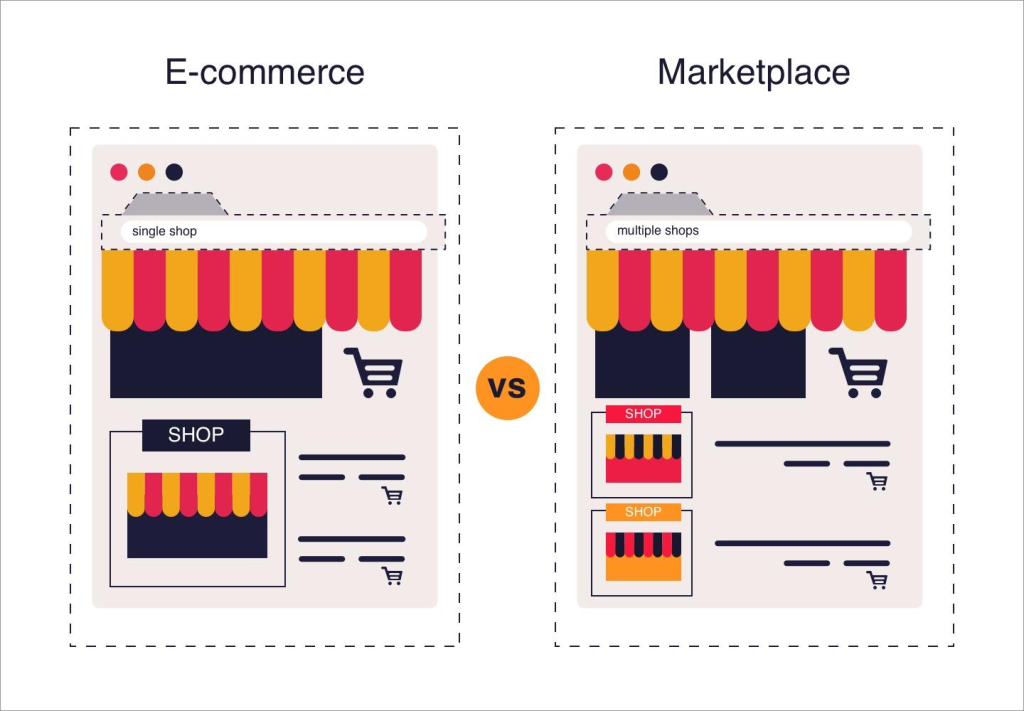
Amazon, TikTok Shop and Walmart Marketplace all function as third-party platforms. Think of them as digital shelf space- powerful for exposure, but ultimately controlled by someone else.
Shopify, on the other hand, represents something different: brand ownership and customer control.
Williams explained that he prefers the Shopify model because it allows brands to build what he called a “moat” , a layer of protection around the business. Instead of depending on marketplace rules, algorithm changes, or account risks, Shopify sellers build direct relationships with their customers.
And that changes everything.
In his words:
If you’re only selling on third-party platforms, someone else is really in control of your pocketbook.
This shift from platform dependency to brand ownership is one of the defining themes of modern eCommerce.
Why Shopify is becoming more than just a store
Traditionally, Shopify has been viewed as a D2C storefront- a place where customers go after discovering a product elsewhere.
But that perception is rapidly changing.
At the same conference, Michael Radziszewski, Head of Affiliate Partnerships at SmartScout, highlighted a major evolution in how Shopify stores are being used today.
SmartScout is an Amazon analytics platform that helps sellers understand revenue, category performance, market share and competitor positioning. But beyond traditional Amazon data, Michael pointed out something new emerging in the ecosystem:
AI visibility and “agentic shelf” presence.
In simple terms, this refers to how products appear not just in Amazon search results, but across AI-driven discovery systems like large language models (LLMs) and generative search tools.
According to Michael, Shopify is increasingly becoming part of this ecosystem because of how it interacts with AI crawlers and structured data.
This means that brands using Shopify may not only be visible through direct traffic or ads, but also through AI-generated search results and recommendations.
As more Amazon sellers explore Shopify, some are also considering whether they should launch from scratch or Should you buy a pre-built Shopify store? depending on their growth strategy and available resources.
That is a major shift in how discoverability works.
Omnichannel: Should Amazon sellers also sell on Shopify?
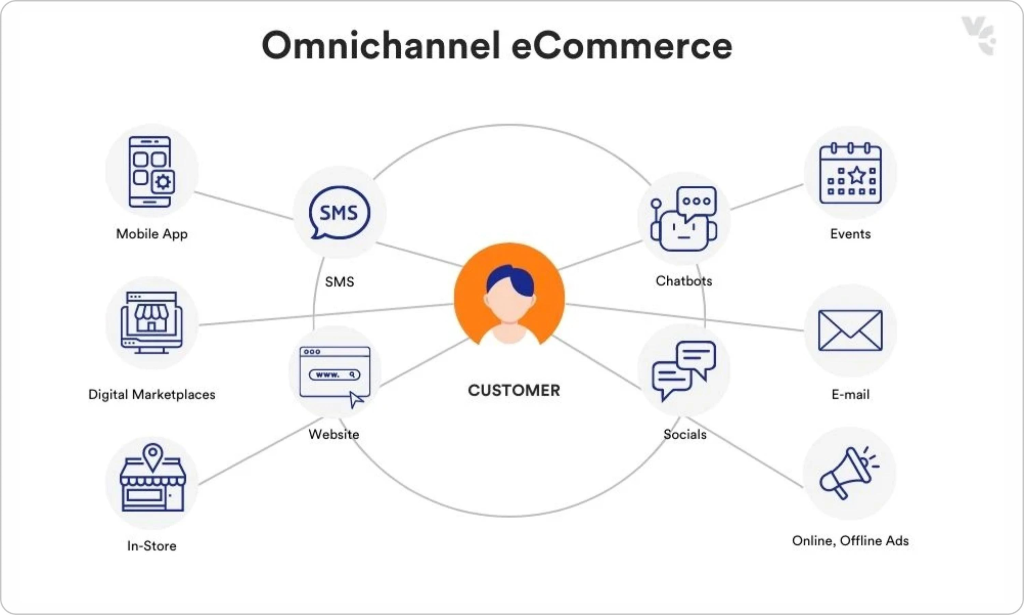
A key theme that emerged across the conference was omnichannel selling.
Rather than choosing between Amazon or Shopify, successful brands are increasingly using both- and adding platforms like TikTok Shop and Walmart Marketplace into the mix.
Instead of viewing the platforms as competitors, many brands now see Shopify and Amazon – double chance for success by combining marketplace scale with direct customer ownership.
Why?
Because customer behavior is fragmented.
Some customers start their journey on Amazon. Others discover products on TikTok. Increasingly, some are using AI tools to research products directly through conversational search.
Michael from SmartScout emphasized this shift clearly:
One of the biggest themes of the conference was going omnichannel.
But omnichannel today is no longer just about being present on multiple marketplaces.
It’s about being discoverable across multiple types of search systems- including AI-driven ones.
AI search is changing product discovery
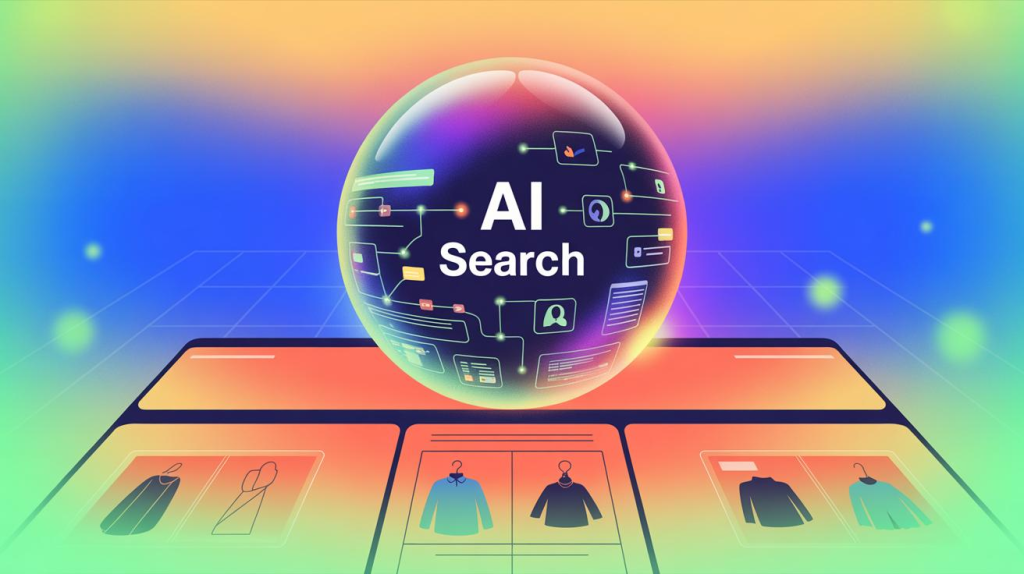
Perhaps the most forward-looking insight from the discussion was the role of AI in product discovery.
Shopify, according to Michael, is increasingly aligned with this trend because of how it allows indexing and visibility across AI systems.
In practice, this means:
- Product pages can be interpreted by AI tools
- Brands can appear in LLM-based recommendations
- Discovery is no longer limited to marketplace algorithms
This is a major shift from traditional SEO and even Amazon SEO.
We are entering a world where AI visibility becomes as important as search rankings.
This is exactly why topics like AI Search and AEO for Amazon-to-DTC Brands: How Answer Engines Are Changing What You Need to Publish are becoming increasingly important for brands investing in long-term discoverability.
For Amazon sellers, this raises an important strategic question:
Are you optimizing only for Amazon search- or for the entire discovery ecosystem?
What this means for Amazon sellers in 2026
The takeaway from both Brian Williams and Michael Radziszewski is not that Amazon is declining. Far from it- Amazon remains one of the most powerful sales channels in the world.
Instead, the real shift is this:
Amazon is for distribution. Shopify is for ownership. AI is for discovery.
Sellers who rely solely on Amazon risk being limited to one ecosystem. Sellers who expand into Shopify and omnichannel strategies gain:
- More control over customer data
- Stronger brand equity
- Reduced platform dependency
- Increased visibility across emerging AI channels
For sellers planning this transition, having a clear From Amazon to Shopify Check list can make the process significantly easier and help avoid common operational mistakes.
In short, they future-proof their business.
Final Thoughts
The debate is no longer “Amazon vs Shopify.”
It’s about how these platforms work together in a broader ecosystem of commerce and discovery.
Amazon gives scale.
Shopify gives ownership.
AI is reshaping visibility.
The most successful brands in the coming years will not be the ones choosing sides- but the ones building systems across all three layers.

Your Amazon store needs a partner
We build and grow your Shopify DTC business together with Amazon.
Find out how to own your audience and not depend only on Amazon high fees.

Author: Dusan Popovic

From Amazon to Shopify Check list

Best Amazon FBA course 2026

Connect Shopify to Amazon: Complete 2026 guide