WHY AMAZON SELLERS FAIL WHEN MOVING TO SHOPIFY
Moving from Amazon to a Shopify-based direct-to-consumer model feels like a natural progression. You have a winning product, a solid supply chain, and consistent sales. However, the graveyard of failed Shopify stores is filled with former “Top Rated” Amazon sellers.
The truth is, Amazon is a marketplace where you rent traffic. Shopify is a destination that you must own. This shift from Amazon to Shopify is not just technical; it is psychological.
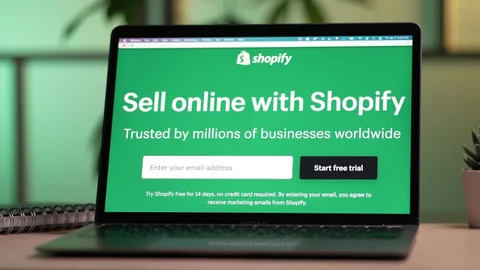
When you move to DTC, you lose the safety net of Amazon’s massive, ready-to-buy audience, and you must learn how to create a Shopify store to build your brand identity.
You will read about… (TOC)
Myth: “If it works on Amazon, it will work on Shopify”
Many Amazon sellers believe that a 4.5-star rating and thousands of reviews are a guaranteed ticket to Shopify success. They assume that since the product has proven demand on Amazon, customers will naturally find their website and buy.
This is the most dangerous myth in e-commerce. On Amazon, you are fulfilling existing demand, on Shopify, you have to capture it by yourself or create it.
Success on your own Shopify store requires a different approach than the Amazon ranking strategy.
- The Intent Gap: Amazon is a search engine for products where users arrive with a “credit card in hand”. On Shopify, you are often catching users on social media or via Google Search, where their intent to buy is much lower.
- Starting From Zero Credibility: Customers don’t necessarily trust you. On Amazon: they trust Amazon’s infrastructure, Prime shipping, and easy returns. When they land on your standalone Shopify store, you are starting from zero trust.
- The Price Trap: If your product only sells on Amazon because it is the cheapest option in the search results, it will likely fail on DTC. Shopify requires enough margin to cover the cost of ads, which doesn’t exist in a race to the bottom pricing model.
Difference between seller model and brand model
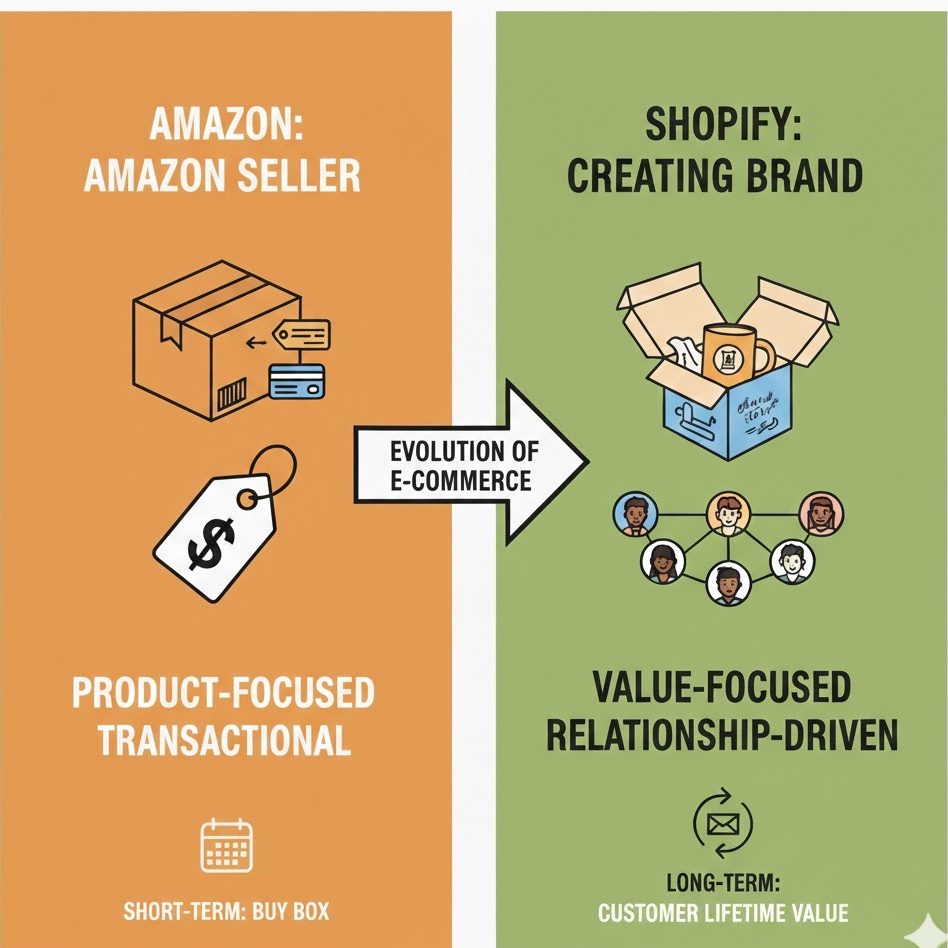
To succeed on Amazon, you need to be a great seller. To succeed on Shopify, you must be a great brand. While these terms are often used comparatively, they represent two completely different business DNAs.
Amazon focuses on “now.” The goal is to optimize a listing, manage inventory, and win the Buy Box. The customer belongs to Amazon, and the interaction ends as soon as the package is delivered.
While DTS is focused on the lifetime. A brand owner builds an ecosystem where the first sale is just the beginning of a relationship. They invest in storytelling, visual identity, and post purchase experiences that turn one time buyers into loyal advocates.
While an Amazon seller is always at risk if the algorithm changes or fees increase, a Shopify store owner has a safety net: a direct connection to their customers and an email list that no marketplace can take away.
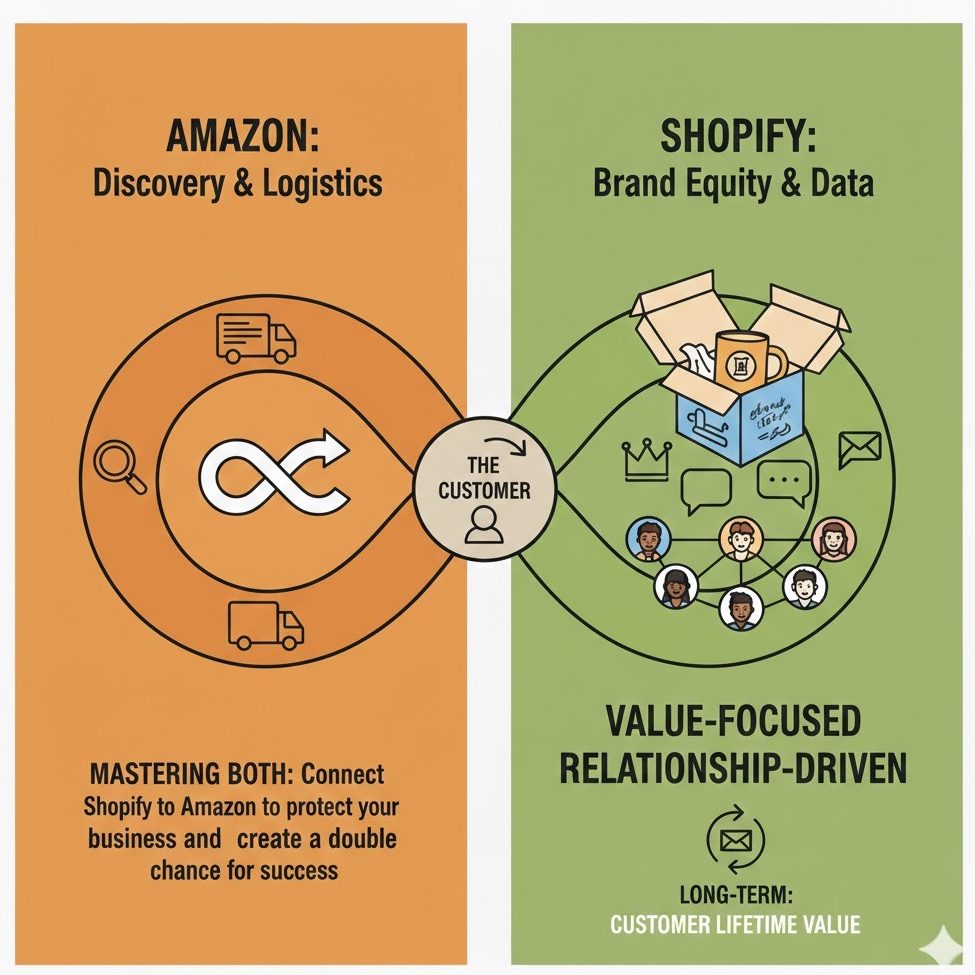
However, the most successful e-commerce businesses aren’t choosing one over the other, they are mastering both. The smartest strategy is to connect Shopify to Amazon and use Amazon’s massive reach for product discovery and fast logistics, while using Shopify to build deep brand equity and long term customer relationships. By combining the two, you protect your business and create a double chance for success.
Price-focused thinking vs value-focused thinking
On Amazon, the “Sort by: Price: Low to High” button often dictates who wins the sale. Sellers have been trained for years to optimize their margins to the last cent just to stay competitive in search results. This price-focused thinking is a survival necessity in the marketplace, but it is a recipe for disaster on Shopify.
When you run your own store, your cost structure changes dramatically; you are no longer just paying Amazon a referral fee, but you must personally fund every click through Meta or Google Ads. If your only competitive advantage is being two dollars cheaper than the competition, the cost of customer acquisition will quickly drive your business into the end.
Success on Shopify requires a radical shift toward value-focused thinking. You must explain to the customer why your product is worth more. On your own site, you aren’t just selling an item: you are selling a solution, an emotion, or a sense of belonging. To achieve this, building a Shopify store that prioritizes professional design, authentic social proof, and clearly communicated benefits is essential to justify a premium price point.
The goal is to stop being a replaceable Amazon commodity and become the brand that people search for by name, regardless of whether you are the cheapest option on the market.
Lack of direct customer relationships
A primary reason most Amazon sellers fail when moving to DTC is their inability to handle a direct relationship with the customer. On Amazon, you are shielded from the complexities of customer data management. Amazon owns the email, the history, and the loyalty. Many sellers enter the Shopify world with a transactional mindset, expecting customers to buy and disappear.
The lack of data on Amazon means most sellers have never had to manage an email list or craft a retention campaign. When they transition to Shopify, they continue to treat every sale as a one off transaction. They fail because they don’t realize that on a standalone site, your profit doesn’t come from the first sale, like on Amazon, it comes from the second, third, and fourth.
Ultimately, failure happens when a seller treats their Shopify store as just another Amazon listing rather than a communication hub. Owning your sales channel requires a shift from being a silent supplier at Amazon to being an active brand at Shopify leading with a trust and creative strategy. If you are not prepared to talk to your customers, handle their data, and nurture their loyalty through email and social media, transition to Shopify will likely be a very expensive lesson.
The hidden costs of DTC
Many sellers migrate to Shopify thinking they’ve handed themselves a 15% raise by escaping Amazon’s referral fees. In reality, they are often trading a single, predictable fee for a complex web. On Amazon, your fulfillment and acquisition costs are combined, while Shopify allows you to optimize them if you have the right infrastructure in place.
The shift to Shopify is the first step in evolving your fulfillment strategy. Unlike the rigid structure of selling on the Amazon marketplace, having your own store gives you the freedom to choose how you deliver. Whether you continue using FBA for multichannel fulfillment, move to a 3PL, or handle logistics in house, you gain control over the unboxing experience and shipping speed.
However, failure happens when sellers don’t realize that moving away from Amazon’s marketplace rates to a Shopify store means you have to be more strategic with your logistics. Most fail because they don’t optimize for this change, allowing shipping costs and inefficient packaging to quietly eat into their profits until their Shopify business is no longer sustainable.

How to identify sellers not ready for DTC
The Shopify vs Amazon debate isn’t just about where you sell, but how you manage your capital. Based on our analysis of the pros and cons of Shopify, you are likely not ready for this transition if you are still looking for a “set it and forget it” solution.
You are not ready if you fall into these three categories:
You are running on razor-thin margins: Amazon sellers often forget that on Shopify, you are responsible for the traffic tax. While Shopify offers incredible scalability, it also comes with recurring costs for premium apps and marketing tools. If your product margins cannot absorb the cost of customer acquisition plus the overhead of a professional tech stack, the platform’s costs will quickly outweigh its benefits.
You are looking for a free audience: If your brand’s growth depends entirely on Amazon’s search engine, you aren’t ready for a private Shopify store. On Shopify, there is no organic overflow of customers. You have to build the demand from scratch. Sellers who fail are usually those who launch a site and wait for sales to happen. You have to be ready to invest in a marketing funnel that drives high quality traffic.
You are overreliant on the Amazon ecosystem: if your business is limited to checking Amazon Seller Central and managing shipments, a standalone store will be your biggest bottleneck. Many fail because they treat Shopify as a side project rather than a serious expansion. They expect “set it and forget it” results, but Shopify doesn’t work that way.
Success off-platform requires a sophisticated setup. You are moving from managing a listing on Amazon to running an independent sales engine. This means mastering email marketing, web optimization, and professional customer service. If you aren’t ready to invest in this infrastructure, you aren’t ready for DTC.
This is why building a Shopify store requires a specialized approach. You are no longer just managing a listing but an independent sales engine.
Preventing these common pitfalls
To avoid a failed Shopify store, you must address the gaps that Amazon’s ecosystem usually fills for you. Reddit threads and seller communities consistently highlight these specific areas where most transitions break down:
Losing Amazon’s 2-day shipping trust is one of the biggest conversion killers. You must bridge this logistics gap by offering clear delivery timelines and free shipping thresholds. If a customer has to guess when their package arrives, they will go back to Amazon.
On Amazon, the platform provides trust. On Shopify, you start at zero. Don’t just import reviews, invest in user-generated content and professional trust badges.
Most transitions fail because sellers don’t have automated email and SMS flows active from day one. If you aren’t nurturing leads after the welcome discount, your CAC will stay unsustainably high.
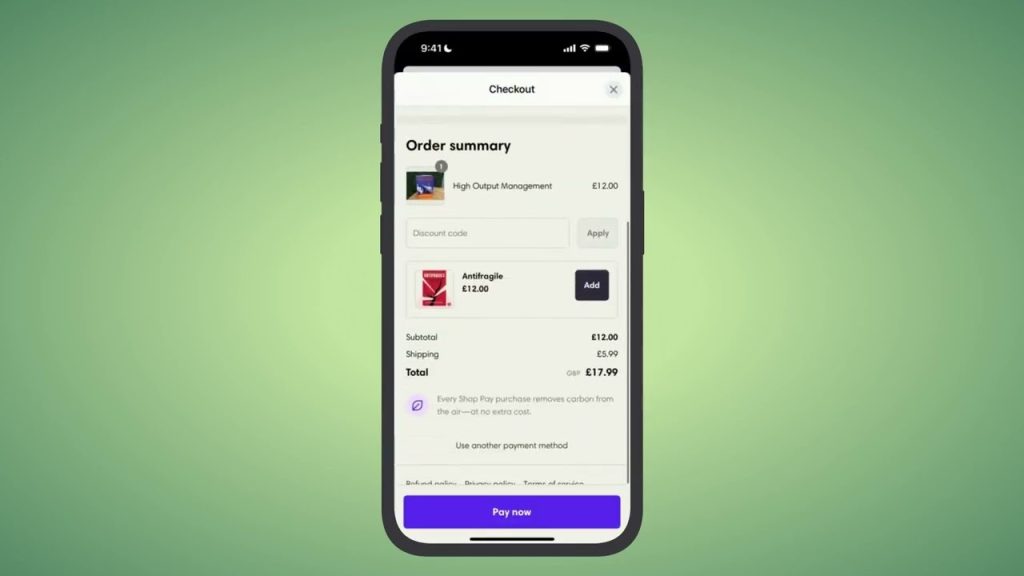
Shopify traffic is 80%+ mobile. If your mobile purchase flow has too many steps or loads slowly, you are burning your ad spend.
Success requires moving past the transactional mindset and building a professional infrastructure that can turn cold traffic into loyal customers. While the learning curve is steep and the risks are high, the reward is total ownership of your business, your data, and your future.
If you are considering expanding beyond Amazon, let’s talk. Transitioning to Shopify is a high stakes investment, and having the right technical and strategic partner can be the difference between failure and a scalable growth engine.

Your Amazon store needs a partner
We build and grow your Shopify DTC business together with Amazon.
Find out how to own your audience and not depend only on Amazon high fees.

Author: Dusan Popovic

Best Amazon FBA course 2026

Connect Shopify to Amazon: Complete 2026 guide

C2B e-commerce