From Amazon to Shopify Check list
Many Amazon sellers decide to launch Shopify believing it’s the natural next step for growth. In reality, most fail not because Shopify doesn’t work, but because they approach it the same way they approach Amazon.
At Byteout, we’ve worked with brands at every stage of the Amazon to Shopify journey. Over time, we noticed the same mistakes repeating again and again. To simplify the process, we created a Shopify launch checklist for Amazon sellers. A practical PDF designed to help you validate your strategy before spending time and money on execution.
You can download the checklist and use it as a step by step reference. In the rest of this article, we break down each section of the checklist and explain why it matters and how to get it right when launching Shopify alongside Amazon.
- Shopify is not Amazon, traffic won’t come automatically
- Solution first, not product first
- Focusing on repeat customers and lifetime value
- Revenue is not profit
- Clear brand identity
- Strong “About us” page
- DTC aesthetic is completely different compared to Amazon, and the brand visuals has to reflect it
- Conversion focused structure (strong CTA button placement)
- Optimized mobile experience
- Good site speed and setups
- Implemented SEO structure
- A plan for at least one external traffic channel (Meta and Google ads)
- Right metrics are set up and you actively track performance
- Capturing emails on the website, basic email automation and campaigns in place
- Active profiles on all key platforms
- Clear social media content strategy
- Actively communicating with the audience and building a community
- Segmenting customers based on behavior and purchase history
- Regular newsletters with value, not just discounts
- Content strategy for discovery, trust, and recall
- Continue selling on Amazon while building Shopify as a brand asset
- Leverage Amazon reviews and social proof to support your Shopify store
MINDSET SHIFT
Most Amazon sellers don’t fail on Shopify because of bad products or weak execution.
They fail because they approach Shopify with the wrong mindset. Many of the common pitfalls are detailed in Why Amazon sellers fail when moving to Shopify, which helps illustrate the mindset shifts necessary for a successful transition.
Before choosing a theme, installing apps, or even opening a Shopify account, there are several mental shifts that must happen. Skipping this step is the fastest way to burn time and money.

Shopify is not Amazon, traffic won’t come automatically
Amazon is a marketplace. It gives you built in traffic, demand and buying intent.
Shopify is an empty storefront.
There is no traffic, no demand, and no visibility unless you actively create it. For Amazon sellers, this is often the biggest shock. What worked on a marketplace does not automatically work on a brand owned channel.
Understanding this difference early sets realistic expectations and prevents costly mistakes later.
Solution first, not product first
Many sellers moving to Shopify start by asking:
“What product should I sell?”
Sustainable Shopify brands start with these questions:
- What problem am I solving?
- Who exactly am I solving it for?
- Why should someone buy from my brand instead of Amazon or any competitor?
Without clear answers, your Shopify store becomes switchable- and switchable stores compete on price, not value. This is one of the main reasons Amazon sellers struggle when going to Shopify.
Focusing on repeat customers and lifetime value
On Amazon, success is often measured in daily sales volume.
On Shopify, this mindset becomes dangerous.
Chasing the first sale leads to short term decisions: aggressive discounts, unprofitable ads, and inconsistent messaging.
Shopify requires a long term approach focused on:
- repeat customers,
- lifetime value (LTV)
- owned audiences like email
Without this shift, even stores that generate sales often fail to become sustainable businesses.
Revenue is not profit
One of the most misleading aspects of the Shopify space is the obsession with revenue screenshots. Social media and forums highlight top line numbers, while ignoring:
- ad spend
- refunds
- chargebacks
- fulfillment and logistics costs
Amazon sellers entering Shopify without a clear understanding of real profitability often burn cash while thinking they are scaling. Revenue without margins is not growth, it’s risk.
Before moving forward, it’s critical to understand how Shopify profitability actually works.
NUMBERS
One of the most common mistakes Amazon sellers make when launching Shopify is starting with design. Themes, colors, fonts, and homepage layouts often feel like progress, but none of them matter if the numbers don’t work.
On Shopify, profitability is not driven by how the store looks, but by how efficiently it turns paid traffic into customers.

Understanding unit economics
Before spending money on design or apps, you need a clear understanding of your unit economics. This includes customer acquisition cost (CAC), average order value (AOV), and gross margin.
Since customer acquisition cost directly determines profitability, it’s essential to understand practical ways to optimize it — including how to reduce Customer Acquisition Cost (CAC).
Similarly, understanding and increasing AOV is critical for maximizing revenue per order. Learn actionable strategies in How to increase AOV in ecommerce.
Amazon sellers are often used to thinking in terms of product margins alone. On Shopify, marketing efficiency plays a much bigger role. If your CAC is higher than your gross margin, the business is unscalable, regardless of how good the product or website looks.
These numbers should be estimated and validated early, even if they are imperfect. Launching without them is guessing, not building.
Budgeting for customer acquisition
A common assumption among new Shopify merchants is that a good product will sell itself. On Shopify, this is rarely true.
Paid ads, creative testing, content production, and iteration are all part of customer acquisition. These costs are not optional and should be treated as core operating expenses, not temporary launch costs. This applies not only to paid ads, but also to organic growth investments like SEO, where understanding the cost and value of Shopify SEO services helps set realistic expectations for long-term profitability.
Successful Shopify brand plans for acquisition upfront and focuses on improving efficiency over time, rather than avoiding spend altogether.
Focusing on the right costs
Shopify fees and app subscriptions often get blamed when stores struggle to make a profit. In reality, they are rarely the main issue.
The real profit killers are low conversion rates, weak retention, and slow or unreliable shipping. A store with strong fundamentals can easily absorb platform fees. A store without them will fail regardless of how cheap the tools are.
At this stage, the goal is not to build a perfect looking store, but to validate that the business model makes sense before scaling.
BRAND FOUNDATIONS
When Amazon sellers move to Shopify, branding is often treated as a visual exercise. A logo, a color palette, maybe a nice theme. In reality, brand foundations go much deeper, and cutting corners here is one of the main reasons Shopify stores struggle to convert.
On Amazon, the platform carries most of the trust. On Shopify, your brand has to earn it.
Clear brand identity
Without a clear brand identity, a Shopify store becomes switchable. Visitors can’t immediately understand who the brand is for, what it stands for, or why it exists.
Strong Shopify brands have a clear point of view. They know their audience, their positioning, and how they want to be perceived. This clarity shows up everywhere: in copy, visuals, offers, and communication. That makes decision-making easier as the business grows.
Without it, traffic becomes expensive and loyalty is almost impossible to build.
Strong “About us” page
The “About us” page is one of the most underestimated pages on a Shopify store. Many sellers either skip it entirely or fill it with generic, impersonal copy.
On Shopify, people don’t just buy products. They buy from brands they trust. A strong Shopify “About us” page explains who you are, why the brand exists, and what problem you are solving. It adds credibility and reduces friction for first time buyers at your Shopify store.
For Amazon sellers in particular, this page helps replace the trust that the marketplace previously provided.

DTC aesthetic is completely different compared to Amazon, and the brand visuals has to reflect it
Amazon product pages are designed for efficiency and comparison. The focus is on specifications, quick scanning, and immediate purchase decisions. Visuals are standardized, structured, and often minimal in storytelling.
A Shopify store operates differently. In a DTC environment, visuals are not just supportive , they are central to brand perception. Photography, color palettes, typography and layout all communicate positioning, quality, and target audience.
For Amazon sellers, a common mistake is reusing marketplace style images and design approaches on Shopify. This creates a disconnect. A store may function technically, but it lacks emotional appeal and differentiation.
Strong DTC visuals help customers quickly understand who the brand is for, what it represents, and why it stands out. Instead of focusing only on product features, visual identity should create a consistent atmosphere across the website, social media, ads, and email communication.
When brand aesthetics align with audience expectations, trust builds faster and the overall shopping experience feels intentional rather than generic.
WEBSITE BUILD
For many Amazon sellers, launching a Shopify store feels like the finish line. In reality, it’s just the beginning. Even when traffic is flowing, most Shopify stores fail because the website is not built to convert.
Unlike Amazon, where the platform controls layout, trust signals, and buying flow, a Shopify store puts full responsibility on the brand. Every decision: structure, messaging, speed, and mobile experience, directly impacts conversion rate and profitability.
Conversion focused structure (strong CTA button placement)
A common mistake Amazon sellers make when building a Shopify store is trying to include everything at once. Too many products, too many messages, and too many choices create confusion.
A highly converting Shopify store has a clear structure. Visitors should immediately understand what the product is, who it’s for, and why it’s better than alternatives. To make this effective, it helps to understand the fundamentals of design and messaging, for example, What does a good ecommerce landing page look like?
Strong calls to action, clear product benefits, and a simple path to purchase reduce hesitation and increase trust.
On Amazon, shoppers are trained to scan. On Shopify, your store must guide them.
Optimized mobile experience
Most Shopify traffic comes from mobile, especially for Amazon sellers running paid ads or social media campaigns. A theme being mobile responsive does not mean it converts well on mobile devices.
Common mobile issues include long product pages, hard to tap buttons, slow load times, and cluttered layouts. If a Shopify store is difficult to use on a phone, conversion rates drop quickly and ad costs increase.
Optimizing the mobile experience is not optional. For most Shopify stores, it is the primary buying experience.
Good site speed and setups
Site speed is one of the most overlooked conversion factors when Amazon sellers move to Shopify. Heavy images, too many apps, and unoptimized themes slow down the store and hurt both user experience and paid ads performance.
A slow Shopify store increases bounce rate, lowers conversion rate, and raises customer acquisition costs. Speed is not just a technical detail, it is a revenue lever.
For Amazon sellers used to Amazon’s fast infrastructure, this issue often goes unnoticed until ad performance starts declining.
Implemented SEO structure
Many Amazon sellers launching a Shopify store plan to do SEO later. In practice, this usually means SEO never becomes a priority.
Basic SEO structure should exist from day one. This includes clean URLs, optimized product and collection pages, proper headings, and internal linking. Without it, a Shopify store remains dependent on paid traffic and misses long term organic growth opportunities. If you’re not sure where to start, here’s a practical guide on how to find the right Shopify SEO agency.
A Shopify store built with SEO in mind becomes more resilient over time and reduces reliance on ads.
LOGISTICS
When Amazon sellers move from Amazon to Shopify, logistics and trust become completely different challenges.
On Amazon, fulfillment, delivery expectations, and much of the customer trust infrastructure are handled by the marketplace. Prime shipping, standardized return processes, and Amazon’s brand authority create built-in confidence.
When launching a Shopify store, all of that responsibility shifts to you.

Shipping times are clearly communicated and fast
Shipping speed alone does not determine success. Expectation management does.
One of the biggest mistakes Amazon sellers make when launching a Shopify store is assuming customers will “figure it out” at checkout. If delivery timelines are unclear on the product page, uncertainty immediately reduces purchase intent.
One of the most common mistakes in Amazon to Shopify transition is underestimating how much shipping impacts conversion rate. If shipping times are unclear, hidden, or revealed too late in the checkout process, customers hesitate. And hesitation kills conversions.
For a Shopify store, fast shipping is powerful, but clear communication is even more important.
Clear communication should happen before the customer reaches checkout. That includes:
- estimated delivery window
- processing time
- shipping regions
- tracking details
When expectations are set early, conversion rates improve and post purchase complaints decrease.
For a Shopify store, shipping is not just fulfillment. It is part of the promise you make at the moment of purchase. If that promise is vague, trust weakens. If it is clear and reliable, confidence increases.
Operational clarity directly impacts marketing efficiency. Confused customers cost money.That’s why shipping is not just an operational detail. It is a conversion lever.
Return policy is clear, simple, and builds trust
In a Shopify store, the return policy influences buying decisions more than most founders realize.
Customers evaluate risk before purchasing from a Shopify brand. If the return policy feels complicated, restrictive, or hidden, it immediately reduces purchase intent. If customers feel trapped, they simply leave and go back to Amazon.
A strong return policy should:
- be easy to find
- written in simple language
- clearly state timeframes and conditions
- avoid unnecessary friction
For Amazon sellers transitioning to Shopify, this is an important mindset shift. Returns are not only a cost center. They are also a trust signal.
When customers feel protected, they buy more confidently. When policies feel defensive, customers hesitate.
In DTC ecommerce, clarity reduces anxiety. Reduced anxiety increases conversions.
GO TO MARKET
After building the foundations of your Shopify store, It’s time to focus on how your store reaches real customers.
The go-to-market phase can be broken into three key pillars, each essential for a successful Amazon to Shopify transition: driving traffic, measuring performance, and building an owned audience. These pillars form the framework for turning a Shopify store from a static website into a scalable DTC brand.

A plan for at least one external traffic channel (Meta and Google ads)
Traffic is the core of any Shopify store. Unlike Amazon, where customers discover products organically and the platform handles visibility, Shopify stores rely entirely on external channels to bring visitors. For Amazon sellers transitioning to Shopify, this is often the biggest adjustment: you are now responsible for acquiring every visitor through ads, content, or partnerships.
Focusing on one primary channel, such as Meta (Facebook & Instagram) or Google Ads, allows you to concentrate resources, test campaigns effectively, and measure performance accurately.
As your store grows, understanding the right channel mix becomes critical. Including the % split – paid ads vs SEO vs organic social in ecommerce to balance short term sales with long term growth.
A well defined traffic plan should include:
- target audience segmentation
- ad creatives that reflect your brand identity
- messaging aligned with customer pain points
- a testing schedule to optimize campaigns over time.
These steps ensure your Shopify store starts generating meaningful traffic that can be converted into paying customers and eventually nurtured for repeat purchases.
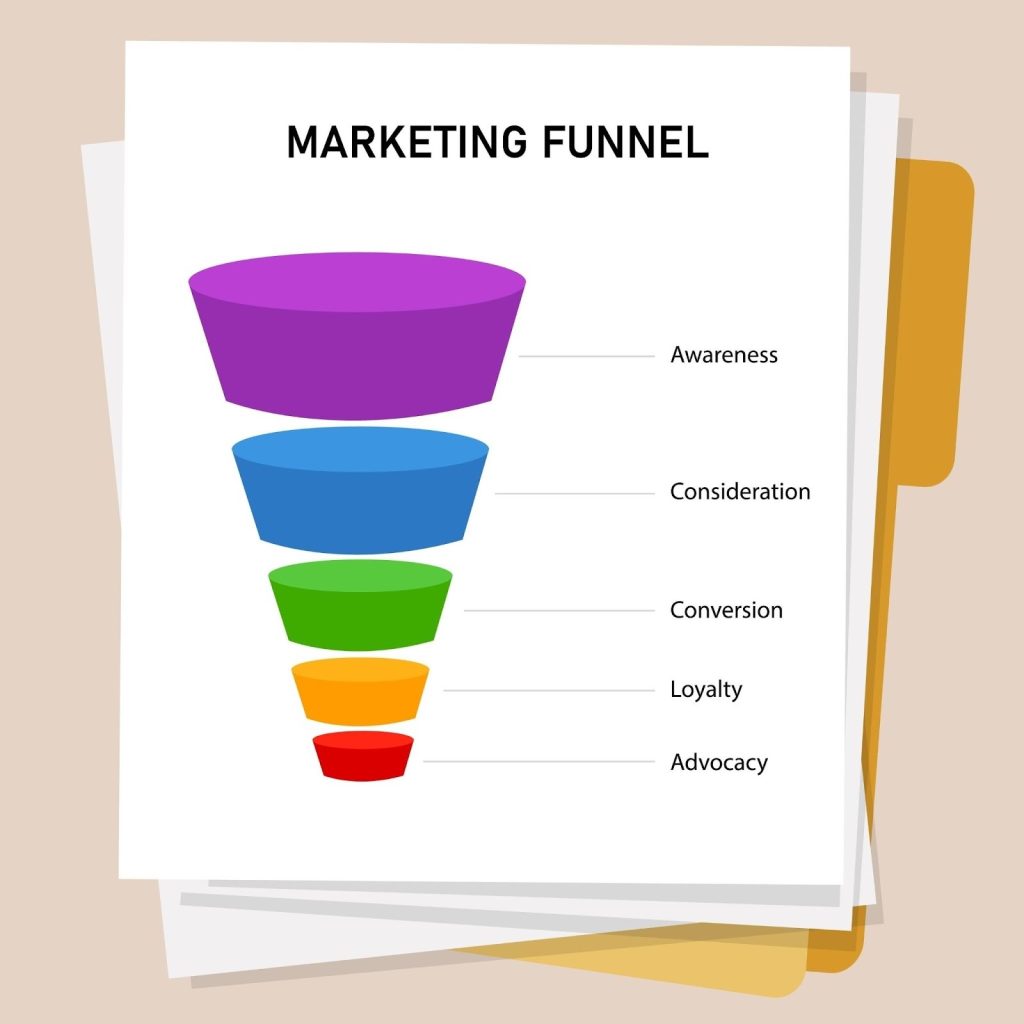
Right metrics are set up and you actively track performance
Tracking the right metrics is crucial to understand what is working and what needs improvement. While Amazon automatically provides sellers with sales data and performance insights, Shopify requires manual tracking and analysis. Without it, scaling a Shopify store is essentially guesswork.
Key metrics for Amazon sellers moving to Shopify include traffic sources, conversion rate, customer acquisition cost (CAC), average order value (AOV), and lifetime value (LTV). Monitoring these numbers allows you to evaluate the effectiveness of paid ads, optimize your marketing funnel, and make data driven decisions that directly impact profitability.
Revenue alone does not indicate success. For example, a store generating high revenue with an equally high CAC may be losing money on every sale. Amazon sellers need to shift their focus from vanity metrics to actionable insights. Proper tracking ensures campaigns are efficient, growth is measurable, and decision making is based on real performance data rather than assumptions.
Capturing emails on the website, basic email automation and campaigns in place
Owning the customer relationship is one of the biggest advantages a Shopify store has over Amazon. On Amazon, sellers do not have access to emails or direct communication. On Shopify, email marketing becomes a key driver of revenue and brand loyalty.
Capturing emails through forms, pop ups, or landing pages, and implementing automations such as welcome sequences, abandoned cart reminders, and promotional campaigns, allows you to turn first time visitors into repeat buyers. This is a major shift for Amazon sellers: rather than relying solely on paid traffic, your store now builds an owned audience that can be marketed to again and again.
An effective email strategy also reduces customer acquisition costs over time, increases average order value, and strengthens brand loyalty.
By nurturing these relationships consistently, Amazon sellers can transform their Shopify store from a simple storefront into a scalable DTC business with long term growth potential.
SOCIAL MEDIA
After launching paid traffic channels and setting up performance tracking, social media becomes the next layer of visibility and communication for a Shopify store. For Amazon sellers, this is another major shift. On Amazon, interaction with customers is limited and transactional. On Shopify, social media plays a direct role in brand perception, trust, and ongoing customer relationships.
Social platforms are not just promotional channels. They function as discovery engines, credibility signals, and communication hubs. A Shopify store without active social presence often appears incomplete or untrustworthy to new visitors. Customers frequently check social profiles before purchasing, looking for signs of authenticity, activity, and real engagement.
Social media also supports multiple stages of the customer journey. It helps potential buyers discover the brand, reassures them through consistent activity and content, and creates opportunities for direct interaction. For Amazon sellers used to marketplace driven sales, this requires a shift toward consistent communication and brand storytelling.
Active profiles on all key platforms
Having profiles on major platforms establishes credibility. Customers expect legitimate Shopify brands to maintain a visible presence on Facebook, Instagram, TikTok and increasingly YouTube.
Inactive or empty profiles can reduce trust, even if the website itself is well designed. Active profiles signal that the business is operational, responsive, and invested in its audience.
Each platform serves a slightly different role. Instagram and TikTok are strong discovery channels, Facebook supports community and ads, while YouTube builds deeper trust through long form content and product education. Together, they create a consistent digital footprint that supports conversion.

Clear social media content strategy
Posting randomly without a plan leads to inconsistent results. A clear content strategy defines what type of content is published, how often, and for what purpose.
Organic content builds familiarity and trust through product demonstrations, behind the scenes insights, customer stories, and educational posts. Paid social ads focus on conversion, targeting specific audiences with clear offers and messaging.
When aligned properly, organic and paid efforts reinforce each other. Organic content warms up the audience, while paid campaigns drive measurable traffic and sales. This structure allows a Shopify store to maintain visibility without relying solely on advertising.
Actively communicating with the audience and building a community
Social media is not only about broadcasting content. It is about interaction.Responding to comments, answering direct messages, and engaging in conversations shows that the brand is accessible and attentive. This level of communication builds trust and often resolves objections before they reach the website.
For Amazon sellers, this represents a significant change. Instead of anonymous transactions, Shopify requires visible, ongoing communication. Over time, consistent interaction creates a sense of community, strengthens brand perception, and increases customer loyalty.
RETENTION
Retention is where a Shopify store becomes predictable. Paid traffic can bring customers in, but retention determines whether the business is stable or constantly chasing the next sale.
For Amazon sellers, this is a major shift. On Amazon, repeat purchases happen inside the marketplace and customer ownership is limited. On Shopify, you own the relationship. That means you are responsible for what happens after the first purchase.
Retention is not about sending more emails. It is about using data intelligently, communicating with intention, and creating reasons for customers to come back.
Segmenting customers based on behavior and purchase history
A common mistake is treating every customer the same. Shopify provides access to purchase history, frequency, order value, and on site behavior. Ignoring that data means leaving money on the table.
First time buyers should not receive the same messaging as repeat customers. High AOV customers may deserve early access or loyalty incentives. Customers who haven’t purchased in 60 days need a different approach than someone who bought last week.
Segmentation allows your communication to match intent. Instead of blasting generic campaigns, your Shopify store can send relevant offers, reminders, and content based on actual behavior. This increases repeat purchase rates without increasing ad spend.
For Amazon sellers moving to Shopify, this is one of the biggest advantages: you finally have usable customer data. Use it.

Regular newsletters with value, not just discounts
If your only email strategy is discounts, you train customers to wait for price drops.
Newsletters should build brand familiarity, not just push promotions. That can include product education, usage tips, customer stories, restock announcements or founder insights. The goal is to stay relevant without always lowering prices.
Consistent communication keeps your Shopify store present in the customer’s inbox without becoming noise. When a buying moment comes, your brand is already familiar.
Amazon sellers often rely on marketplace visibility. On Shopify, visibility is created through consistent, value based communication.
Content strategy for discovery, trust, and recall
Retention connects directly to content. A structured content strategy ensures customers encounter your brand multiple times across different touchpoints.
- Discovery content brings new people in through SEO, blog posts, or social platforms.
- Trust content answers objections and builds credibility.
- Recall content keeps your brand top of mind after the first interaction
Building this type of content requires a clear positioning and messaging approach,which is why understanding Trust & creative strategy: what still wins in DTC marketing is essential for long-term brand growth.
Without this structure, marketing becomes reactive. With it, your Shopify store operates with intention.
Retention is not complicated. It is disciplined communication backed by customer data. For Amazon sellers building a Shopify store, this is where the business stops being transactional and starts becoming a brand.
AMAZON
Moving from Amazon to Shopify does not mean abandoning Amazon. In fact, one of the biggest strategic mistakes sellers make is treating the transition as a replacement instead of an expansion.
Amazon and Shopify serve different roles. Amazon is a high intent marketplace with built in traffic and conversion infrastructure.
Shopify is a brand-controlled environment where you own the customer relationship, data, and positioning. When used correctly, they complement each other.
Many successful brands don’t choose one channel over the other, instead they focus on Combining Amazon with Shopify to balance discovery, control and long term growth. The goal is not to escape Amazon. The goal is to reduce dependency while building a long term asset.
Continue selling on Amazon while building Shopify as a brand asset
Amazon can continue generating consistent cash flow while your Shopify store is being developed and optimized. Paid ads, content testing, email systems, and retention strategies take time to refine. Expecting immediate results from Shopify often leads to frustration and poor decisions.
Keeping Amazon active provides financial stability and operational validation. It also allows you to test pricing, messaging, and product demand before fully scaling on Shopify.
At the same time, Shopify becomes your brand headquarters. It is where you control the narrative, customer experience, and long term positioning. Unlike Amazon, where you compete inside a marketplace, your Shopify store operates on your terms.
For most Amazon sellers, the smartest move is parallel execution. Let Amazon fund experimentation while Shopify builds brand equity.
Leverage Amazon reviews and social proof to support your Shopify store
Amazon reviews are valuable proof of product-market fit. Ignoring them when building a Shopify store is a missed opportunity.
Customer feedback, ratings, testimonials, and user-generated content can be repurposed to strengthen trust on your Shopify product pages. While you must follow platform and legal guidelines, validated customer satisfaction is a powerful conversion driver.
Amazon sellers often underestimate how much trust their existing reviews carry. A new Shopify store without social proof feels risky to customers. Integrating verified testimonials, highlighting review counts, and referencing marketplace traction reduces hesitation and increases credibility.
Social proof shortens the trust gap. It reassures visitors that your brand is not new — only the channel is.
When Amazon and Shopify operate together strategically, one provides volume and validation, the other provides control and long term value. That balance is what makes the transition sustainable. This complementary dynamic is exactly why many brands see Shopify and Amazon– double chance for success when both channels are managed strategically.
If you are planning your move from Amazon to Shopify, use this checklist to evaluate your readiness. Build the structure first, scaling becomes much easier when the fundamentals are in place. Feel free to reach out for help and any advice!

Your Amazon store needs a partner
We build and grow your Shopify DTC business together with Amazon.
Find out how to own your audience and not depend only on Amazon high fees.

Author: Dusan Popovic

Best Amazon FBA course 2026

Connect Shopify to Amazon: Complete 2026 guide

C2B e-commerce